
Drive Comfort and Performance in Golf with Millathane®
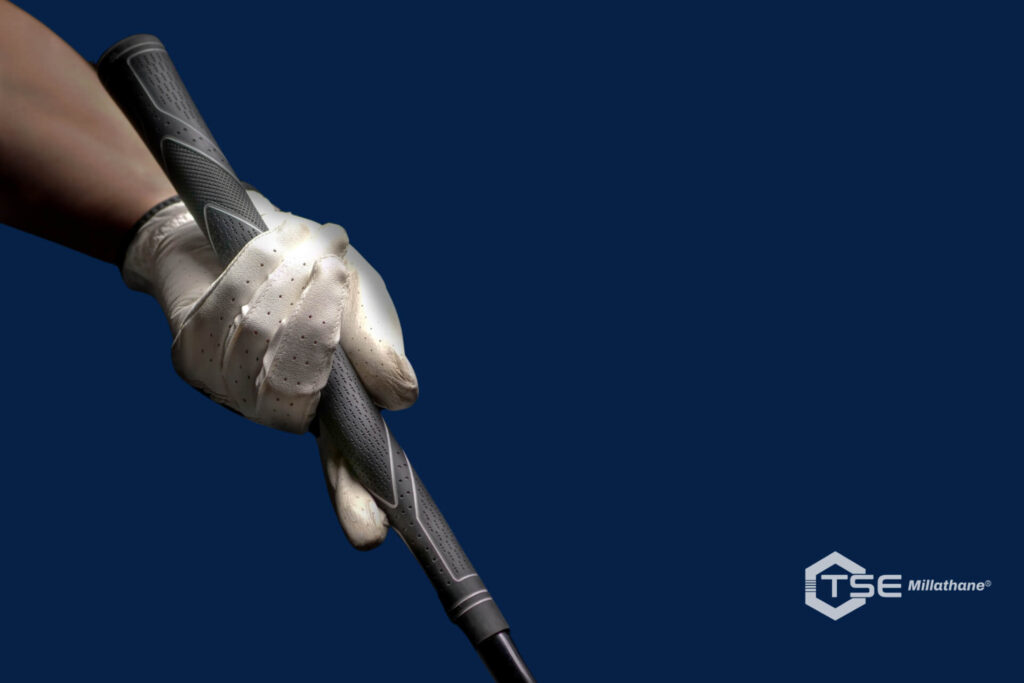
Millathane® millable polyurethanes advance and improve current golf grip technology. These polymers combine the exceptional properties of polyurethanes with the compounding flexibility of rubber, allowing for custom formulations that achieve distinctive characteristics. Additionally, manufacturers can blend them with other polymers to strike an optimal balance between feel and durability. With a compound hardness range of 30 to 95 Shore A, Millathane® polymers enable manufacturers to tailor their golf grips to meet specific requirements without compromising performance and quality. The primary advantages of Millathane® millable polyurethanes include superior physical properties at lower hardness levels. Millathane® compounds deliver exceptional abrasion, tear, and…
The ‘A’ in C.A.S.E: Understanding Adhesives
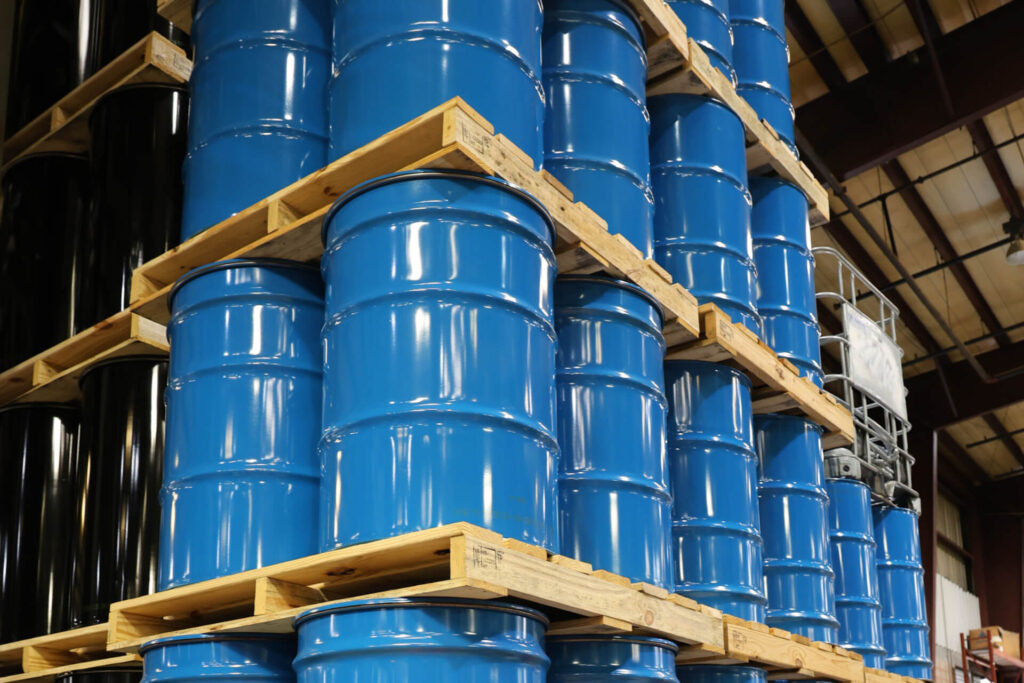
In the world of specialty chemicals, the acronym C.A.S.E represents Coatings, Adhesives, Sealants, and Elastomers. These encompass a diverse range of materials vital for various industries. Adhesives, often referred to as glue, cement, or paste, are essential components. They hold multiple substrates together. Unlike coatings, adhesives contain a binding agent that effectively bonds different materials. This provides distinct benefits over traditional fastening methods. At TSE Industries, we recognize the importance of adhesives in facilitating seamless bonding solutions across a multitude of applications. From textiles to furniture to industrial settings, adhesives play a pivotal role in joining materials together. Whether it’s…
The ‘C’ in C.A.S.E: Understanding Coatings
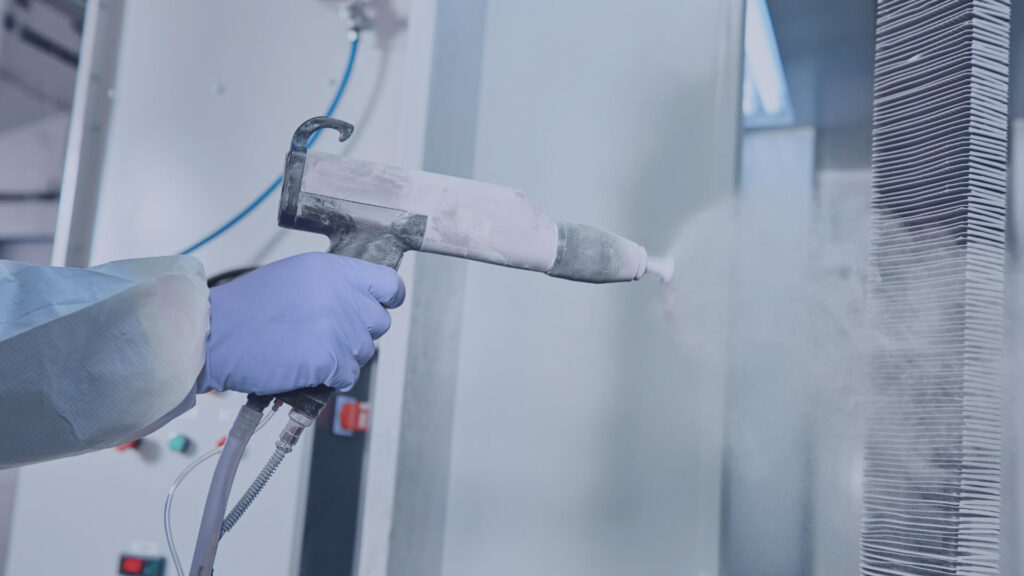
In the realm of specialty chemicals, the acronym C.A.S.E holds significant weight. C.A.S.E represents Coatings, Adhesives, Sealants, and Elastomers, encompassing a broad spectrum of materials utilized across diverse industries. The “C” in C.A.S.E, Coatings, includes a vast array of materials that protect and enhance the performance of various products and surfaces. Coatings form a protective layer on surfaces, serving multiple purposes such as preventing corrosion, providing insulation, enhancing aesthetics, and improving durability. Industrial coatings protect equipment, machinery, and infrastructure from corrosion, abrasion, and wear, extending their lifespan and lowering maintenance costs. These coatings serve industries such as theming, infrastructure, construction,…
Choosing a Millathane® Grade?
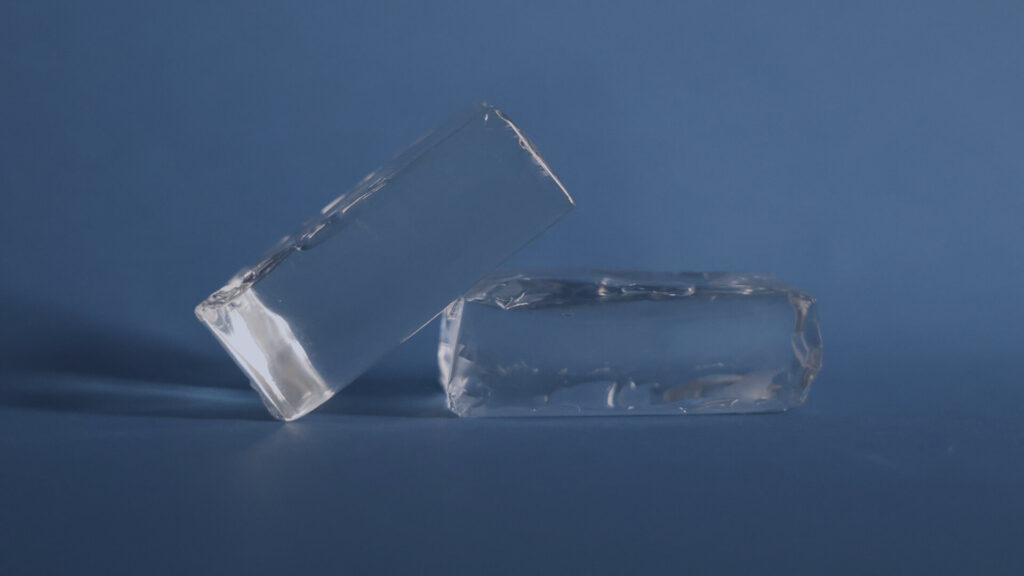
Struggling to choose the right Millathane® millable polyurethane grade but unsure where to start? Let’s begin by discussing what Millathane is and how manufacturers produce it. Millathane emerges as a reaction product of a diisocyanate, a polyol, and a chain extender. Then, workers process it using standard rubber equipment. Moreover, they can crosslink it with sulfur or peroxide cure systems. From there, Millathane is broken down further into TWO main categories or Grades, polyether-based or polyester-based. These millable polyurethane grades are determined by the type of polyol used. While both Polyether and Polyester Grades offer excellent abrasion resistance and strength…
Reuse and Recycle
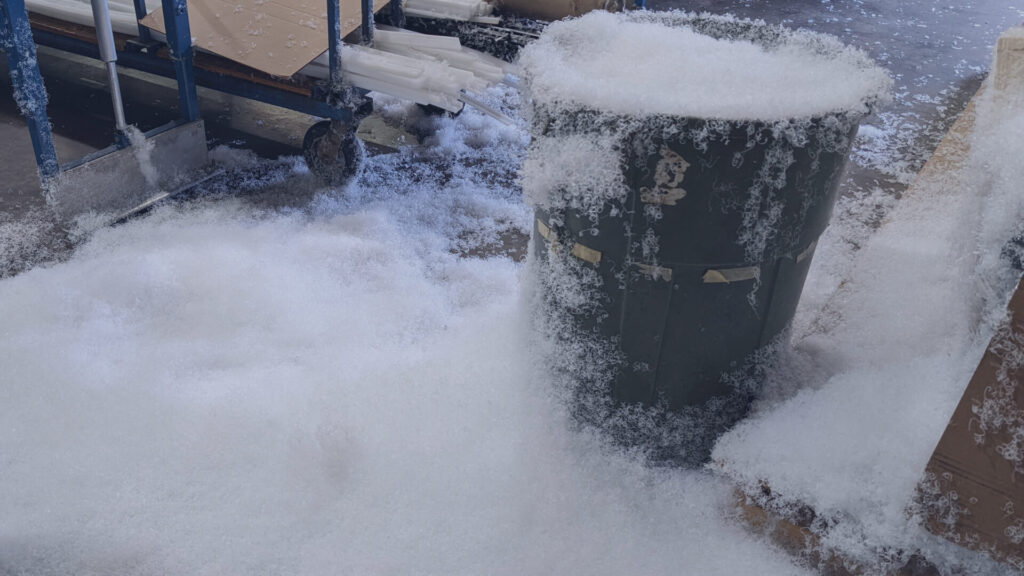
After fabricating millions of pounds of Acetal, Nylon, Ultra High Molecular Weight (UHMW) polyethylene, and other plastic materials for our customers, TSE Industries takes charge of its leftovers. Scraps from our Plastic Fabrication and Machining division don’t sit idle—we either resell them by the gaylord-full to companies specializing in repurposed materials or recycle them in-house! Recycling Can Be a Real Grind! The recycling process of UHMW allows us to reuse the remnants and resell them as recycled, or reprocessed UHMW, to customers as a less expensive alternative to Virgin or Enhanced UHMW where sheet color isn’t an issue. After various…
Which Engineered Polymer Do I Choose?
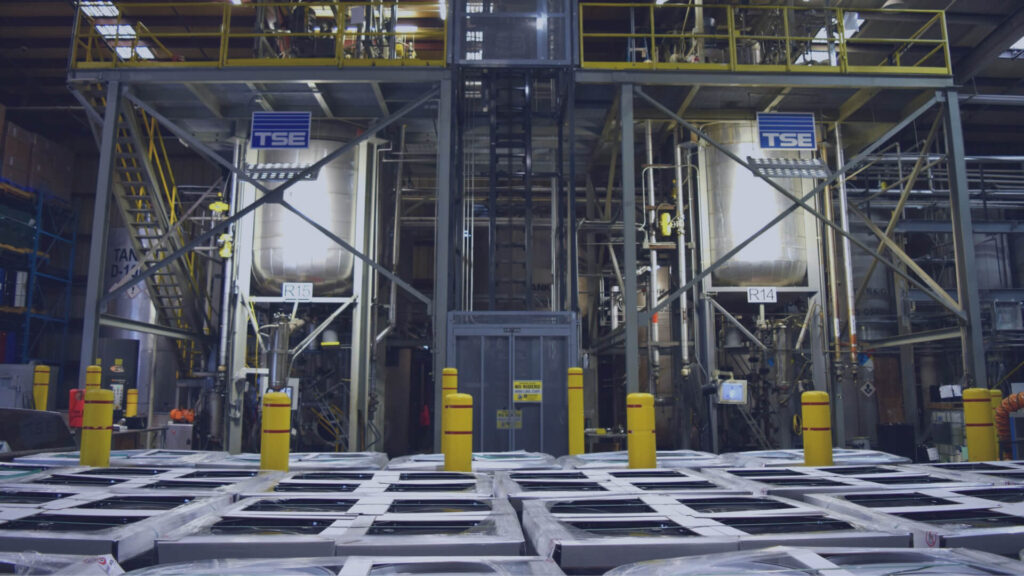
What type of engineered polymer do I need to use? This question has been asked by almost all of our customers. To answer the question effectively, we first need to narrow it down to your exact needs. For instance, some of the questions we ask center around the product itself like finding out where it’s going to be used, what is the highest load it will carry, or abrasion requirements. Does the material need to retain a specific shape? Other questions look at the environment the product is in. For instance, what temperature will the material be exposed to and…